

People
(Knowledge Evaporation)
EXECUTIVE SUMMARY The team that implements the software is rarely the team that administers it long-term. Implementation experts and executive sponsors move on to new projects or leave the company. New administrators inherit a system they did not build and do not fully understand.
THE IMPACT This leads to “fear paralysis,” where admins are afraid to touch the configuration for fear of breaking dependencies, causing the system to stagnate.
Why Your Client’s Best Implementation People
Are Their Biggest Risk
THE PROBLEM Implementation projects are staffed with your client's best people — and that's exactly where Post-Live Value Erosion begins. Executive sponsors attend kickoff, then disappear into their day jobs, losing context on what was built and why. Administrators from the old system unconsciously configure the new one into the same corner. After go-live, ownership transfers to people who inherited a system they didn’t build, configured for reasons they don't understand. When something breaks, they don’t know what's safe to change — so they change nothing. The system calcifies while the business evolves around it.
THE SOLUTION Ownership without understanding isn't empowerment — it’s abandonment with liability. The answer isn't better knowledge transfer at go-live, though that helps. The real opportunity is recognizing that knowledge continuity is an ongoing service, not a one-time deliverable. Clients will always have turnover. Administrators will always inherit systems they didn't build. Vendors and partners who build services around configuration documentation, periodic reviews, and administrator enablement capture revenue from solving these problems proactively instead of reactively.
TAKE ACTION This article examines the first force behind Post-Live Value Erosion: the people dynamics that begin eroding value before the system even goes live. If you've ever received a call from a client insisting “nothing changed on our end”, this will explain what's really happening.
CLICK HERE to download the full article
Business Evolution
(The Alignment Gap)
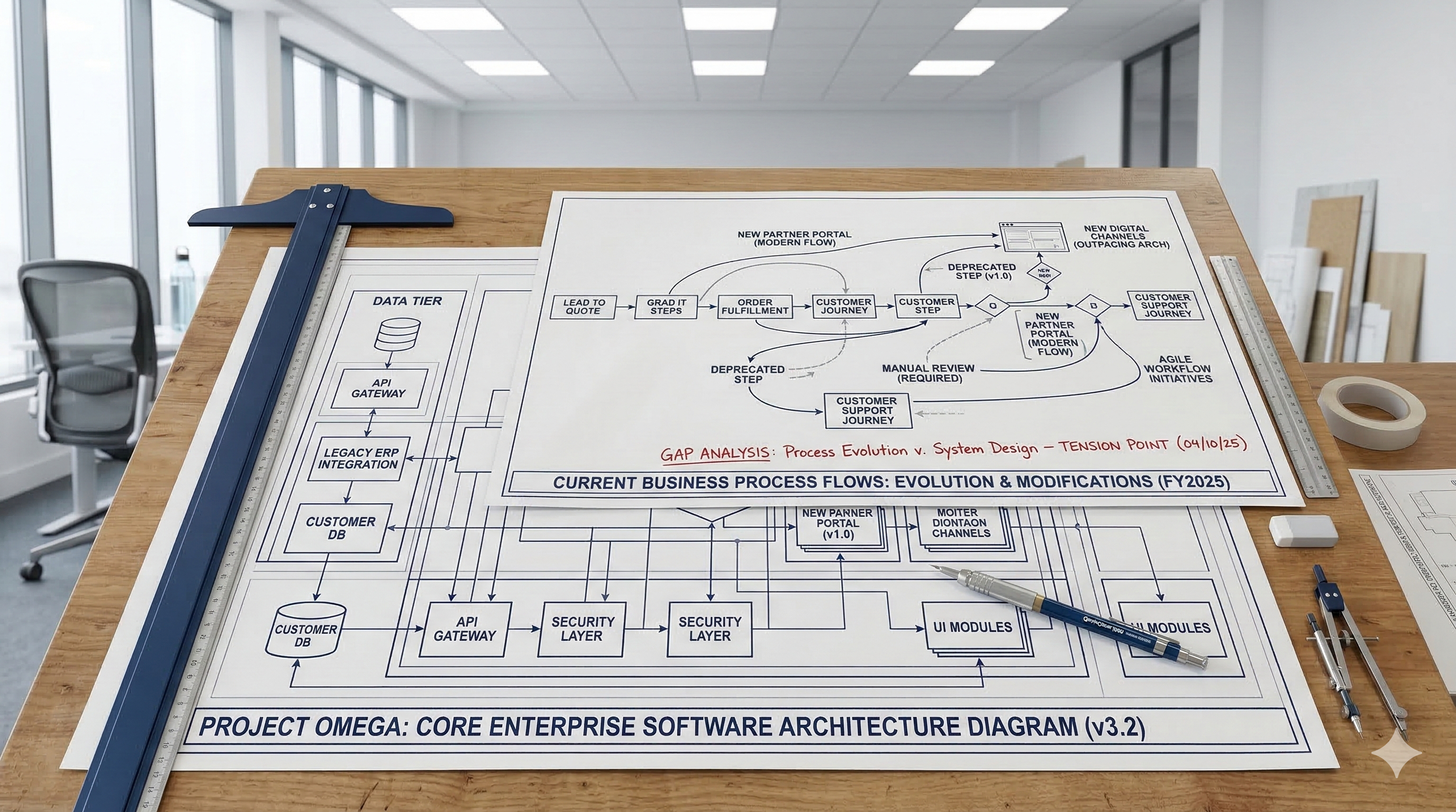
EXECUTIVE SUMMARY Businesses do not stand still after go-live; they acquire companies, divest divisions, restructure departments, and pivot strategies. However, the software configuration often stays frozen in time, reflecting the business as it existed on the day of implementation.
THE IMPACT As the gap between the business reality and the software configuration widens (likened to a Jenga tower), users resort to workarounds and “shadow IT”, diluting the value of the system.
Your Client’s Business Changed.
Their Software Didn’t.
THE PROBLEM Every three to five years, the business that justified a software investment has fundamentally changed. Companies acquire, divest, restructure, and pivot—but their software configuration stays frozen in time. Each individual change seems small. The system still “works”. But the gaps between what the business needs and what the configuration delivers widen until they become normal. Then one day, someone makes a minor change and the whole system seems to collapse. Everyone blames the last piece moved, but the instability was years in the making — like a Jenga tower slowly destabilized by every business shift that was never absorbed into the configuration.
THE SOLUTION Business evolution isn’t preventable — it’s the sign of a healthy company. The question is whether anyone is helping your clients keep their software aligned with those changes. Most vendors and partners wait for the tower to fall, then respond reactively. The opportunity is to build proactive services that treat business transformation as a predictable trigger for configuration review. Every acquisition. Every major reorg. Every strategic shift. Business transformation reviews every two to three years prevent the Jenga collapse and create natural engagement points that generate recurring revenue.
TAKE ACTION This article examines the second force behind Post-Live Value Erosion, with examples across ERP, supply chain, healthcare, retail, and HCM. If you’ve watched clients struggle after acquisitions or major reorganizations, this will give you a framework for turning those moments into service opportunities.
CLICK HERE to download the full article
Goldman Sachs projects 2026 could be a record-breaking year for M&A, with mega-deal volumes up over 125% year-over-year and total deal flow potentially reaching $3.9 trillion. Every acquisition your clients make—or undergo—will stress configurations that weren't built for the combined business. The wave is coming. The question is whether you'll be positioned to help. CLICK HERE to link to the article
Regulatory & Compliance Shifts (The Expertise Gap)
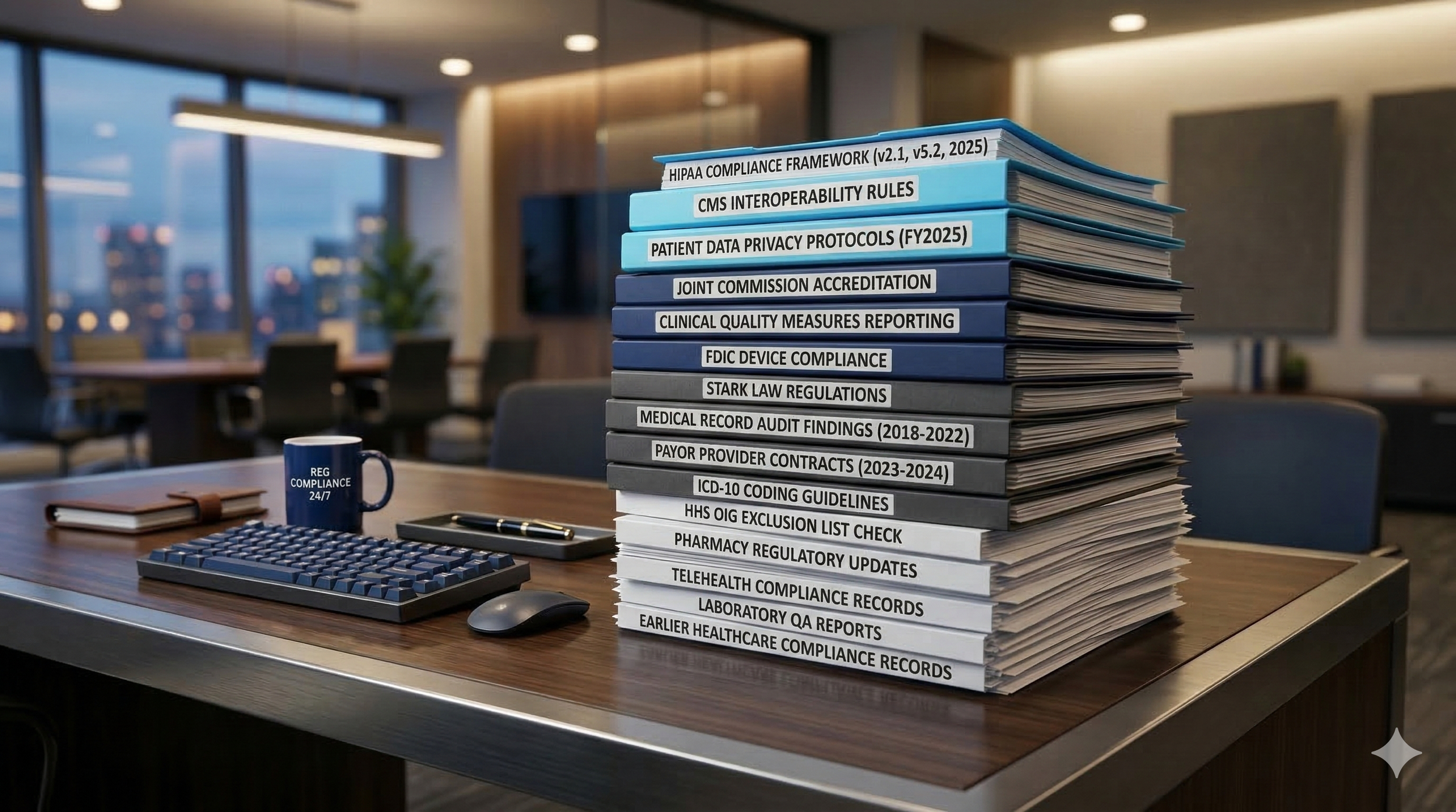
EXECUTIVE SUMMARY Laws and reporting requirements change constantly (e.g., the SECURE Act 2.0). While software vendors often provide the capability to comply via updates, the decision on how to configure those updates requires business context. Customers often lack the specific expertise to assess these changes.
THE IMPACT Customers default to delay, waiting until deadlines force panic or legal liability arises, rather than proactively managing compliance.
When the Law Changes,
Your Client’s Configuration Doesn’t Care
THE PROBLEM Your clients know when regulations change. They receive the announcements. They see the industry coverage. And yet, when the deadline arrives, most aren't ready. This isn't a communication failure—your product team documented everything. The problem is that knowing about a regulation and knowing how to respond are two different things. Customers lack the expertise to assess what changes mean for their specific configuration, so they delay. Then the deadline approaches and panic sets in. They flood support queues, demand immediate consulting availability, and blame you for not making it easier.
THE SOLUTION Communication isn't the bottleneck. Expertise is. Your customers know the regulation exists—they just don't have the capability to assess, decide, and act with confidence. When you package compliance support as a service, demand floods in. They want to offload risk. They're waiting for something to buy. Instead of "inform and hope," vendors and partners can shift to "enable and support"—offering assessment services when regulations are announced, not when deadlines loom. The customers who want to offload compliance risk will engage early and pay for expertise.
TAKE ACTION This article examines the third force behind Post-Live Value Erosion, including a detailed case study of how customers responded to SECURE Act 2.0 compliance deadlines. If you've ever watched customers wait until the last minute despite months of advance notice, this will explain why—and what to do about it.
CLICK HERE to download the full article
Software Release Cycles
(The Innovation Gap)
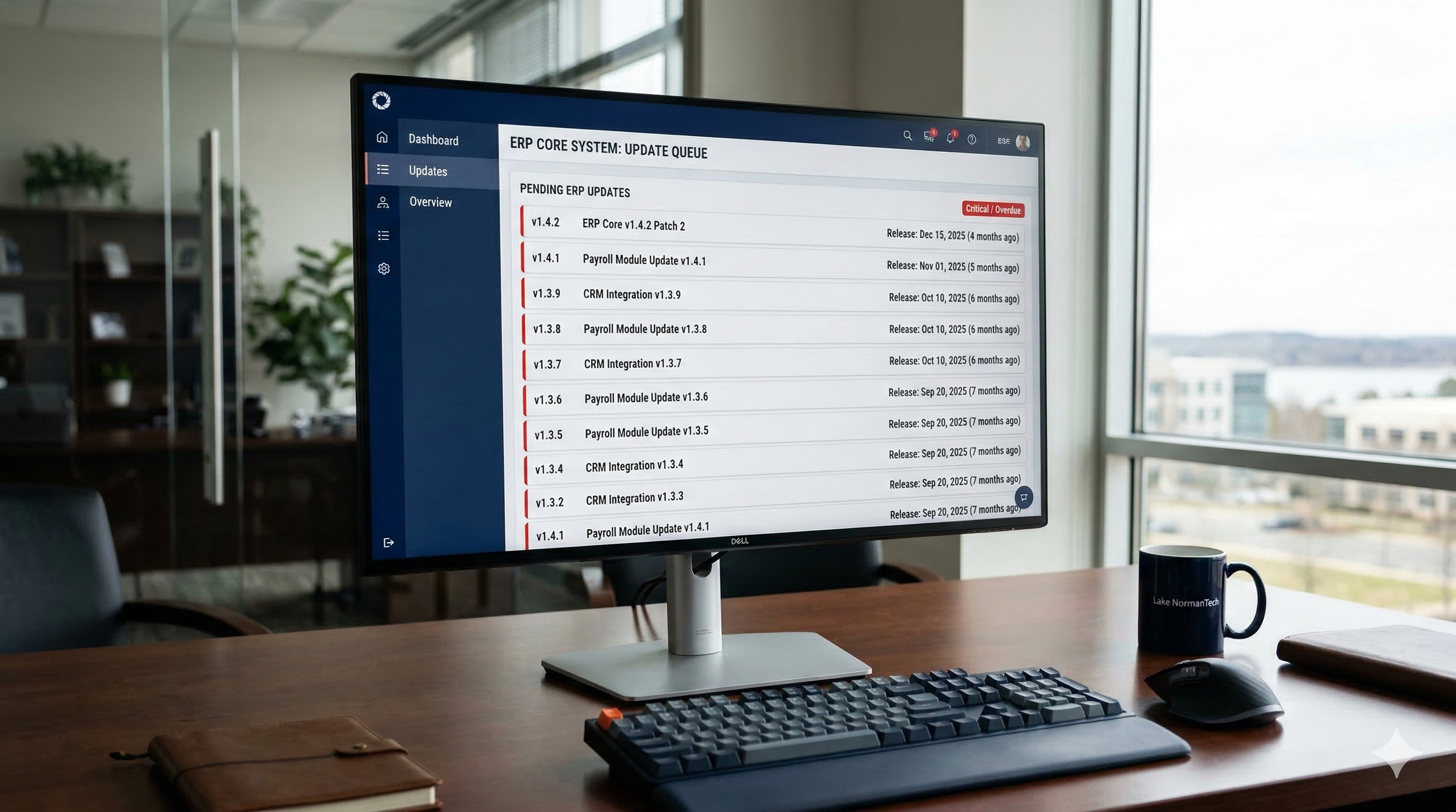
EXECUTIVE SUMMARY SaaS vendors ship enhancements, fixes, and new features continuously. However, customers frequently ignore release notes because no specific role is assigned to review and implement them after the implementation team dissolves.
THE IMPACT The customer ends up paying for a modern platform but operating a legacy version, widening the gap between what they are paying for and the value they are receiving.
The Release Notes Your Clients Ignore
Are Costing You Millions
THE PROBLEM Your product team ships new functionality every quarter. Enhancements. Optimizations. Features your clients requested. And your clients don't notice. Release notes sit unread in inboxes — or get routed to administrators who left two years ago. When software moved from on-premise to SaaS, ownership migrated from IT to business units, but no one told the business units that reading release notes is now their job.
The result: the gap between the system your clients are running and the system they're paying for widens with every release. One day they'll demand functionality that's been available for years.
THE SOLUTION More communication doesn't solve this problem — it just makes clients more anxious about something they can't address on their own. The opportunity is in release adoption services: helping clients assess new functionality, configure it properly, enable their teams, and validate results. Vendors and partners who build these services turn the release cycle from a source of drift into a source of engagement. They stay connected to client configurations, deliver value continuously, and capture revenue that currently sits on the table.
TAKE ACTION This article examines the fourth force behind Post-Live Value Erosion, including the ownership migration that happened when software moved to SaaS and why “tiger team” investigations often reveal that client complaints were addressed in prior releases. If you've ever heard a client ask “why didn't we know about this?” for a feature shipped years ago, this will show you how to prevent it.
CLICK HERE to download the full article
Technology Ecosystem Drift
(The Silent Break)
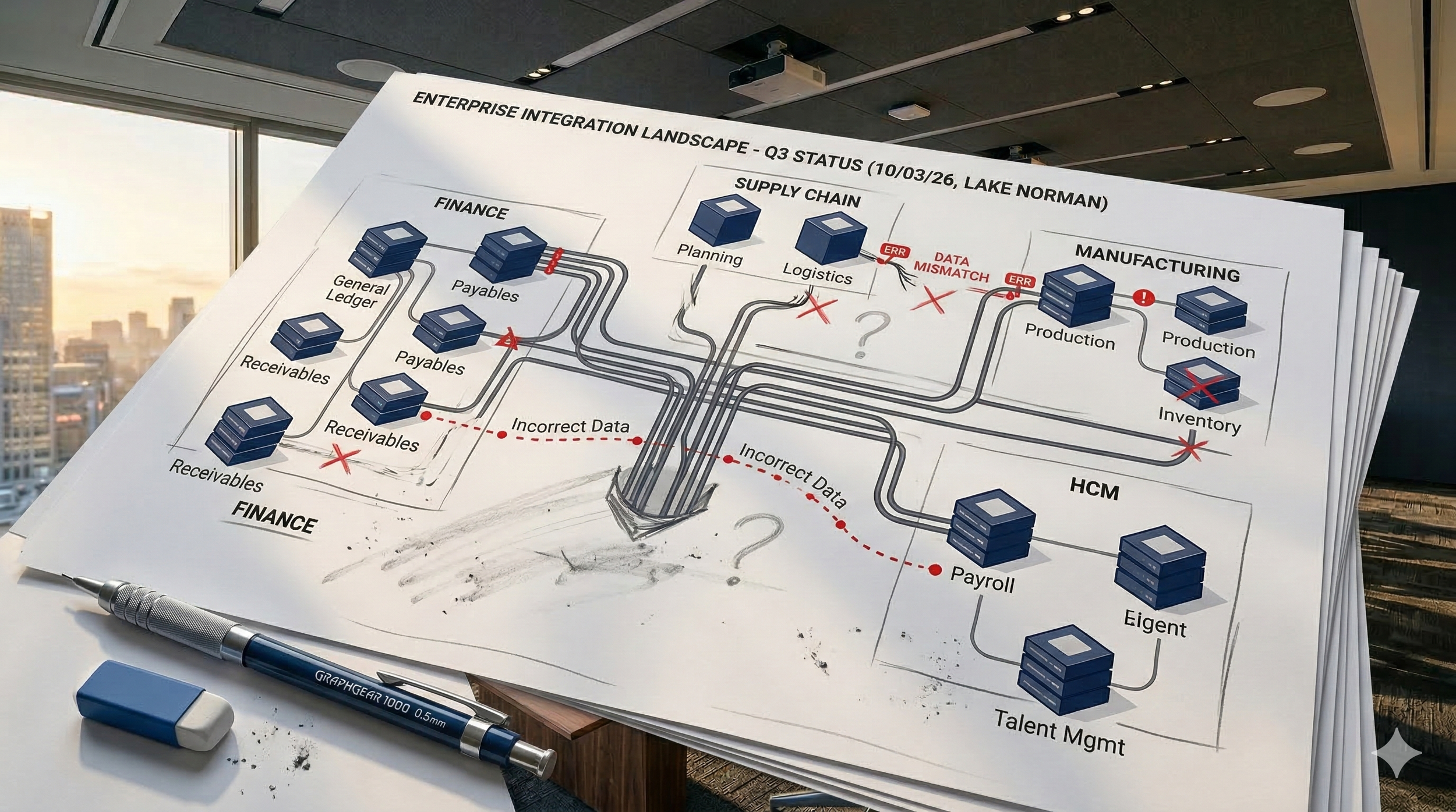
EXECUTIVE SUMMARY Enterprise software does not live in isolation; it is connected to a web of other systems (payroll providers, benefits carriers, ERPs). These upstream and downstream systems change their APIs, data formats, and rules independently.
THE IMPACT "Silent breaks" occur where data flows degrade or fail without immediate warning, often leading to finger-pointing between vendors and internal IT.
Your Client’s Integration Time Bomb
THE PROBLEM Your software doesn't operate in isolation. Data flows in through imports and APIs; data flows out to downstream systems. Somewhere in that web, right now, something is about to break. An administrator makes a "simple" change without understanding dependencies. An upstream system modifies its data format without notification. The break happens silently, and weeks later someone notices the data doesn't match. No one remembers what changed or when. The client blames your software. You discover it's an integration issue. Now comes the uncomfortable conversation: fixing this costs money—and the client doesn't think they should pay for something that "just stopped working."
THE SOLUTION Integration failures aren't technology problems. They're coordination failures wearing a technology mask. No one owns the integrations—IT assumes business is watching, business assumes IT is watching, and no one actually is. The opportunity is in proactive integration monitoring, impact assessment before changes are made, and break-fix inclusion in subscription models. When fixing integration issues is part of the ongoing relationship—not a surprise invoice—the conversation shifts from "why do I have to pay?" to "thank you for catching this."
TAKE ACTION This article examines the fifth force behind Post-Live Value Erosion, including the two patterns that cause integration breaks and the "blame-to-budget death spiral" that damages customer relationships. If you've ever had a client escalate until work was performed for free, this will show you how to change that dynamic.
CLICK HERE to download the full article